Storm Damage Insurance Claims in Florida: What Homeowners Need to Know in 2026
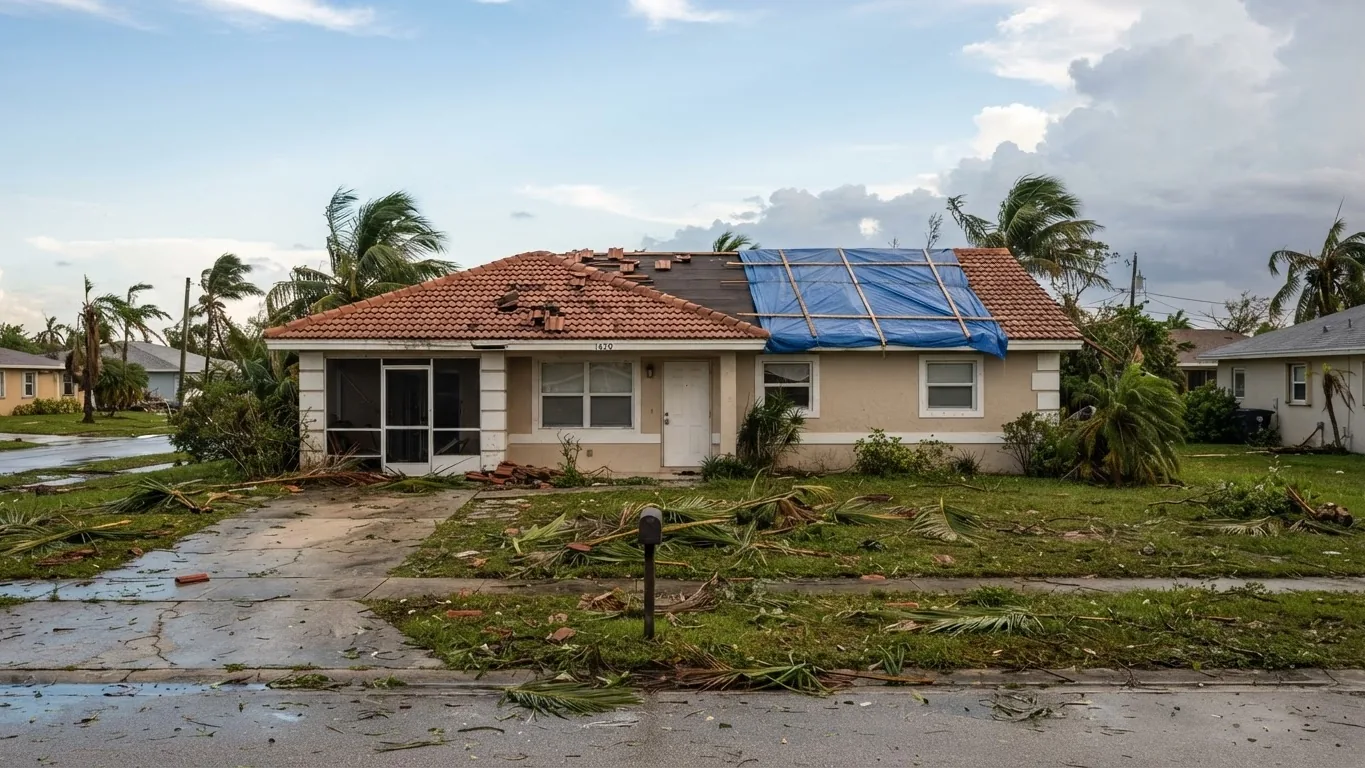
This article explains general Florida insurance-claim rules for homeowners and is not legal advice. Deadlines and coverage depend on your specific policy language and circumstances — when real money or a real dispute is on the line, confirm the details with your insurer and, if needed, an attorney.
After a storm, most homeowners' first call is to a contractor. It's worth making a second call first — to your insurer, or at least to a clear understanding of your policy's deadlines — because Florida's claim-filing rules have gotten stricter in recent years, and missing a deadline can end a valid claim before a contractor ever gets involved.
The Deadline That Catches Homeowners Off Guard
Since the 2022 property insurance reforms (Senate Bill 2-A), Florida homeowners generally have two years from the date of a hurricane or named windstorm to file an initial notice of claim — down from the longer windows policyholders were used to. That two-year clock also applies to supplemental claims for additional damage discovered after the fact. Separately, once your insurer issues its initial coverage decision on a claim, you generally have two years from that decision to file a lawsuit if you want to dispute a denial or an underpayment.
Two takeaways matter most for South Florida homeowners: don't assume "the damage is minor, I'll deal with it later" — document it and put your insurer on notice regardless, and don't sit on a denial letter. These are the kind of dates worth confirming against your own policy and, for anything contested, with an attorney, since exact timing can turn on policy language and when damage was reasonably discoverable.
A New Protection: Insurers Can't Drop You Over Roof Age Alone
A 2026 change (SB 808 / HB 815, effective July 1, 2026) closes a gap that used to catch a lot of Florida homeowners: insurers could decline to renew a policy simply because the roof had reached a certain age, even if the roof was in good condition. Under the new rule, an insurer generally cannot non-renew a policy solely for roof age when the roof is under 15 years old. For roofs 15 years or older, homeowners can request an independent inspection; if a qualified inspector certifies the roof has meaningful remaining useful life, the insurer can't use age alone as grounds to drop coverage.
This matters for storm claims too: an older roof that's structurally sound and properly maintained is on stronger footing than it used to be, both for keeping your policy and for the underlying claim. Our post-summer roof inspection checklist is a reasonable starting point if you're not sure what condition your roof is actually in before a storm forces the question.
Watch Out for "Storm Chaser" Contractors and AOB Paperwork
After any significant storm, out-of-state and unlicensed contractors ("storm chasers") canvas affected neighborhoods offering free inspections and fast repairs. Two things to watch for before you sign anything:
- Verify the license. The same DBPR verification steps that apply to any roofing contractor apply here — see our guide on how to verify a Florida roofing contractor. An unlicensed contractor performing HVHZ work is a red flag regardless of how urgent the pitch feels.
- Read anything labeled "Assignment of Benefits" (AOB) carefully before signing. An AOB hands a contractor the right to bill your insurer directly and negotiate the claim on your behalf. That can be convenient, but it also means you're giving up a degree of control over your own claim — get clear, in writing, on what you're assigning and what happens if the contractor's estimate and the insurer's adjuster disagree, before you sign anything at the door.
Documentation That Actually Strengthens a Claim
Adjusters and, if it comes to it, courts weigh documentation heavily. Before repairs begin:
- Photograph and video every affected area, inside and out, dated if your device supports it — both the damage and, where possible, the pre-storm condition (recent listing photos, past inspection reports, or prior contractor estimates all help).
- Keep your permit history and any prior inspection reports on hand — including a wind mitigation report if you have one, since insurers reference it when evaluating a claim.
- Get a written, itemized estimate from a licensed contractor, not just a verbal "should be covered" from whoever shows up first.
- Keep every piece of written communication with your insurer — claim number, adjuster name, and dates of every call, not just emails.
When to Bring In a Public Adjuster or Attorney
Most straightforward claims move through your insurer's adjuster without a fight. It's worth getting a second opinion — from a licensed public adjuster or a property insurance attorney — when a claim is denied outright, when the payout seems far below what repairs actually cost, or when the damage is extensive enough that getting the estimate right matters more than getting an answer quickly. A public adjuster works for you rather than the insurance company, for a percentage of the settlement; an attorney is the right call once a denial or underpayment looks like it's heading toward a dispute rather than a straightforward disagreement over numbers.
Bottom Line
The practical sequence, in order: document the damage, put your insurer on notice promptly rather than waiting, verify any contractor's license before signing anything (especially an AOB), and keep a paper trail. None of that requires a lawyer for a routine claim — but knowing the two-year deadlines, and knowing your roof's age no longer disqualifies you from coverage on its own, puts you in a much stronger position if the claim turns out not to be routine.
Flood damage is handled separately from a wind/storm claim — see our guide to NFIP flood insurance and the 2026 reauthorization deadline if water intrusion was part of the loss.Related Service
Get a written, itemized repair estimate from a licensed contractor to support your claim.
Explore our Roofing Services →Need a Written Estimate for a Storm Damage Claim?
Get a free, no-obligation estimate from a licensed contractor in our network.
Get a Free Estimate