For South Florida homeowners, storm hardening and insurance costs are tightly linked. Upgrades like impact windows and a reinforced roof do more than protect your home during a hurricane - they can also unlock wind mitigation credits on your insurance and, in some cases, state grant money. This guide explains how the My Safe Florida Home program works, what a wind mitigation inspection actually checks, and how to think about these opportunities before you start a project in Miami-Dade or Broward.
What the My Safe Florida Home program is
My Safe Florida Home is a state program designed to help homeowners strengthen single-family homes against hurricane-force winds. It has generally worked in two parts: a free wind mitigation inspection that shows where a home is vulnerable, and matching grant funds toward approved improvements for those who qualify and are selected.
It is important to be realistic about availability. The program has opened, paused, and reopened over the years as funding is allocated and used up, and eligibility rules can change from one cycle to the next. Renomatix is an independent home-improvement company and is not affiliated with the My Safe Florida Home program or any government agency, so always confirm current status, funding, and eligibility on the official state program before counting on a grant.
What a wind mitigation inspection checks
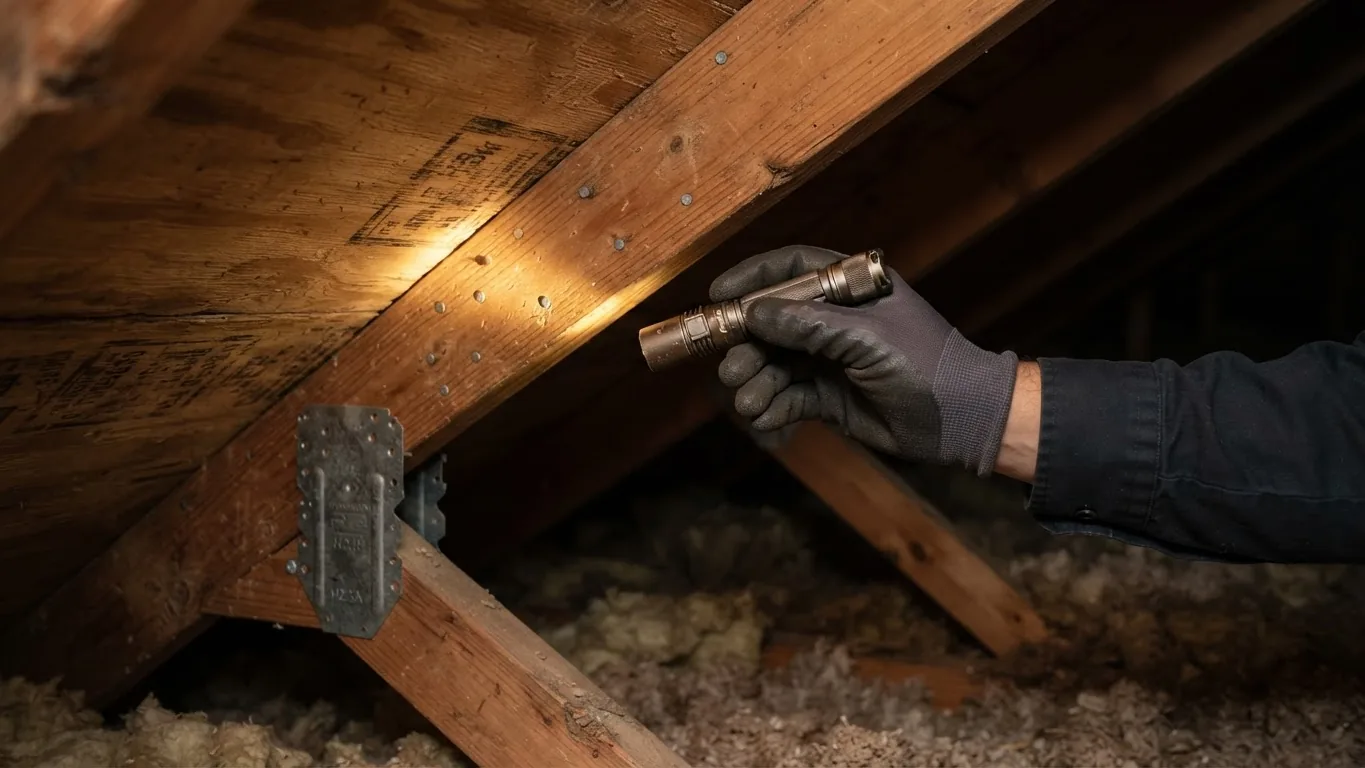
A wind mitigation inspection is a focused report on the features that help a home resist storm damage. A certified inspector documents specific construction details that insurers use to calculate discounts. Common items include:
- Roof covering type and whether it meets current code
- Roof deck attachment - the nails or fasteners holding the deck down
- Roof-to-wall connections such as clips or hurricane straps
- Roof shape, since hip roofs tend to perform better than gable
- Opening protection, meaning impact windows, doors, and approved shutters
How wind mitigation lowers insurance costs
In Florida, insurers are required to offer premium credits for certain wind-resistant features, and those credits are applied based on your inspection report. The stronger your documented protections, the more you may save each year - which is why the same upgrade can both protect your home and reduce a recurring bill.
Opening protection is often one of the most valuable categories. When every window and door is protected to code, a home may qualify for a larger credit than protecting only some openings. Actual savings vary by insurer, policy, home, and inspection results, so treat any figure you see online as a rough guide, not a promise.
Where impact windows fit in
Impact-resistant windows are permanent units with laminated glass and reinforced frames that stay in place all year. Because they count as approved opening protection, they are often central to both storm safety and wind mitigation credits.
Their advantages reach beyond a single storm:
- Always-ready protection with nothing to put up before a storm
- Potential wind mitigation insurance credits when the whole home is protected
- Year-round noise reduction and better energy efficiency from sealed, insulated glass
- Added security, since laminated glass is difficult to break through
- UV protection that helps reduce fading of floors and furniture
Permits, code, and product approval in South Florida
Miami-Dade and Broward enforce some of the strictest building codes in the country, and storm-protection products must carry the right product approvals and be installed to code to actually perform and to pass inspection. Impact windows and doors typically require a permit and a final inspection.
This matters for both safety and savings. An inspector documents opening protection based on approved, permitted installation - so cutting corners can leave you without the credit you were counting on and without reliable protection when a storm hits. A licensed local contractor handles permitting and installs approved products correctly.
Steps to take before you start
A little sequencing goes a long way. Before committing to a project, it helps to understand your starting point and what each improvement could return in protection and premium savings. A practical order looks like this:
- Get a wind mitigation inspection so you know your home's current credits and gaps
- Check the official My Safe Florida Home program for current availability and eligibility
- Gather quotes for the specific upgrades that close your biggest gaps, such as opening protection
- Ask your insurer how documented improvements would change your premium
- Confirm permit and product-approval requirements for your city
Common questions homeowners ask
Do I have to replace every window to benefit? Not necessarily, but protecting all openings usually earns a stronger insurance credit than partial protection, so it is worth pricing the whole home.
Are impact windows or shutters better for the credit? Both can qualify as approved opening protection when installed to code; impact windows add year-round comfort and security, while shutters can cost less up front but must be deployed before each storm.
Will a grant cover the full cost? Grant programs typically match a portion of approved costs for selected homeowners, and funding is limited - so plan your budget as if you are paying, and treat any grant as a bonus if you qualify.
Getting started
If you are weighing impact windows or other storm upgrades in Miami-Dade or Broward, the clearest next step is a free, no-obligation consultation with a licensed South Florida pro. They can review your openings, explain the code and permit requirements in your city, and help you understand how the work could affect both your protection and your wind mitigation credits.
From there you can decide, on your own timeline, with approved products, properly permitted installation, and financing details in hand - and confirm any current grant or insurance benefits directly with the program and your insurer before you move forward.