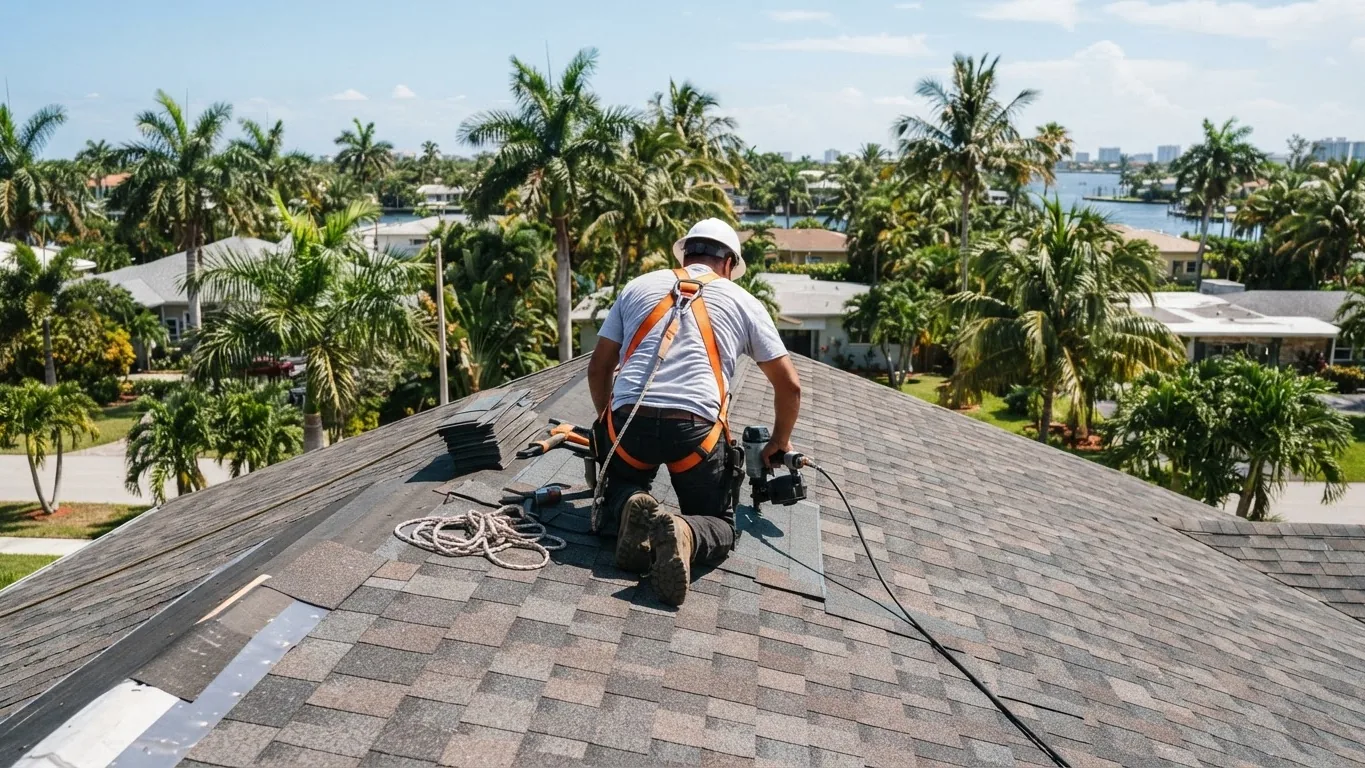
Your roof is one of the biggest investments in your home, so the contractor you choose matters as much as the materials they install. The right pro delivers quality work, fair pricing and real warranties; the wrong one can leave you paying twice and chasing problems for years. This guide walks through exactly how to vet a roofing contractor and choose with confidence.
Verify licensing and insurance
Before you talk price, confirm the contractor is properly licensed for your area and fully insured. This single step protects you from a surprising amount of risk if something goes wrong on the job.
Make sure they carry the basics, and ask to see proof in writing rather than taking their word for it:
- A valid state or local contractor license
- General liability insurance
- Workers compensation coverage for their crew
- Proof of both, current and not expired
A reputable contractor shares this immediately. If someone hesitates or makes excuses, treat it as your first red flag and move on.
Look for local experience and reputation
A contractor with a genuine local track record understands your climate, your permit process and the building codes that apply to your home. In storm-prone areas especially, that experience is worth a great deal.
Ask how long they have worked locally and request references from recent jobs in your area. Then read reviews across several sources, looking for consistent patterns about communication, cleanliness and whether they stand behind their work after the job is done.
Get a detailed written estimate
A trustworthy estimate is specific and itemized, not a single number on the back of a card. It should make clear exactly what you are paying for so you can compare bids fairly.
Look for these details spelled out in writing:
- Scope of work and materials (brand, type and quantity)
- Tear-off and disposal of the old roof
- Timeline and who will actually do the work
- Cleanup and protection of your property
- Payment terms and the warranty
If two estimates differ wildly, the itemization usually explains why, often a difference in materials, scope or what is being left out.
Understand the warranties
There are two warranties that matter, and you want both. The manufacturer warranty covers defects in the materials, while the workmanship warranty covers the installation itself.
Workmanship matters most, because the majority of roof problems come from poor installation rather than bad materials. Ask how long each warranty lasts, what exactly is covered, and get it in writing before you sign.
Watch for red flags
A few warning signs reliably separate a solid contractor from a risky one. Be cautious if you encounter:
- Door-to-door storm chasers pressuring you to sign today
- Large upfront cash deposits
- No written contract, or vague terms
- High-pressure sales tactics and limited-time scare deadlines
- A price that seems too good to be true
Reputable contractors are busy, professional and patient. They earn the job; they do not pressure you into it.
What a fair price really looks like
The cheapest bid is rarely the best value, and the most expensive is not automatically the highest quality. A fair price reflects quality materials, proper labor, insurance, permits and a real warranty.
Be especially wary of a bid far below the others; it often means cut corners, missing scope, or a crew that will not be there if a problem appears down the road.
Questions to ask before you sign
A short list of direct questions tells you a lot about who you are hiring:
- Are you licensed and insured, and can I see proof?
- Will your own crew do the work, or subcontractors?
- What workmanship and material warranties do I get?
- What is the realistic timeline and payment schedule?
- How do you handle cleanup and unexpected issues?
When you are ready, a free, no-obligation inspection and written estimate is the best way to compare your options and choose with full information.